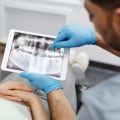
Medical imaging continues to play a central role in diagnosing, monitoring, and managing a wide range of health conditions. Over the past decade, rapid advancements in imaging technology have significantly improved clarity, speed, and accuracy. From high-resolution ultrasound and digital X-rays to advanced MRI and CT scanning techniques, modern imaging tools allow medical care centers to detect abnormalities earlier and with greater precision. These improvements are transforming how providers approach diagnosis, enabling faster treatment decisions and more personalized care pathways.
New imaging systems are also becoming more compact and efficient, allowing some services to be integrated directly within community-based medical care centers. This shift reduces the need for external referrals, shortens wait times, and improves continuity of care. Patients benefit from streamlined experiences where imaging, diagnosis, and follow-up consultations occur within a coordinated setting.
Artificial Intelligence and Imaging Accuracy
One of the most influential trends shaping medical imaging is the integration of artificial intelligence. AI-powered imaging software can analyze scans for subtle abnormalities that might be difficult to detect with the human eye alone. These systems assist radiologists and primary care physicians by flagging areas of concern, improving diagnostic consistency, and reducing interpretation time.
In medical environments such as LocalMD Primary Care, incorporating AI-supported imaging insights can enhance early detection strategies for conditions like cardiovascular disease, lung abnormalities, or musculoskeletal injuries. By combining advanced imaging data with comprehensive patient histories, providers can develop more targeted treatment plans. This collaboration between technology and clinical expertise strengthens overall diagnostic reliability.
Patient-Centered Imaging and Comfort Innovations
Modern imaging trends also focus heavily on patient comfort and accessibility. Open MRI designs, faster scanning protocols, and reduced radiation exposure technologies help minimize discomfort and anxiety. Portable imaging units are increasingly used in outpatient settings, improving access for patients who may have mobility challenges.
Additionally, digital imaging platforms now allow for quicker sharing of results between specialists and primary care providers. This connectivity enhances coordinated care and ensures that patients receive timely updates about their health status. The ability to securely store and retrieve imaging records digitally also supports long-term monitoring of chronic conditions, enabling physicians to track changes over time with precision.
Preventive Care and Early Detection Strategies
As preventive healthcare gains emphasis, imaging is playing a larger role in early detection initiatives. Low-dose CT scans for lung cancer screening, advanced mammography technologies, and vascular imaging for heart disease risk assessment are becoming more common in proactive care models. By identifying potential issues before symptoms appear, medical care centers can intervene earlier and improve long-term outcomes.
Imaging advancements also support personalized medicine approaches. Detailed scans combined with genetic data and lifestyle factors allow providers to tailor preventive plans more accurately. This comprehensive evaluation ensures that imaging is not just a diagnostic tool but also a strategic component of ongoing wellness management.
Ultimately, medical imaging trends are reshaping the future of the medical care center by improving diagnostic precision, enhancing patient comfort, and supporting preventive health strategies. As technology continues to evolve, imaging will remain a cornerstone of integrated care, empowering providers to deliver faster, smarter, and more personalized healthcare solutions for diverse patient populations.