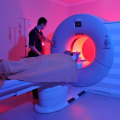
Medical imaging plays a critical role in modern healthcare, providing physicians with detailed information that supports diagnosis, treatment planning, and ongoing patient management. Technologies such as MRI, CT scans, X-rays, ultrasound, and mammography have transformed the ability of healthcare professionals to identify conditions with greater accuracy and efficiency. While technical precision remains the primary objective of every imaging procedure, providers also recognize that patient comfort is an essential component of successful care delivery. Achieving high-quality diagnostic images often requires patients to remain still, follow specific instructions, and undergo procedures that may feel unfamiliar or intimidating. As a result, imaging centers continually work to balance the technical requirements necessary for accurate results with the need to create positive, supportive experiences for patients.
Precision Is Essential for Diagnostic Confidence
The value of medical imaging depends heavily on image quality. Physicians rely on clear, detailed images to identify abnormalities, monitor disease progression, and make informed clinical decisions. Even minor patient movement during a scan can affect image clarity and potentially require repeat imaging. For this reason, imaging providers place significant emphasis on technical accuracy, equipment calibration, imaging protocols, and procedural consistency. Every aspect of the process is designed to ensure that clinicians receive reliable information that supports effective patient care. Technical precision remains at the center of imaging operations because diagnostic accuracy directly influences treatment outcomes.
Patient Comfort Supports Better Imaging Results
Interestingly, patient comfort often contributes directly to technical success. Individuals who feel relaxed, informed, and supported are generally more likely to follow instructions and remain comfortable throughout the procedure. Anxiety, discomfort, and uncertainty can make it more difficult for patients to stay still or complete examinations successfully. Imaging providers understand that improving comfort is not simply a customer service objective—it also supports image quality and operational efficiency. Comfortable patients often experience smoother procedures, reducing the likelihood of delays or repeat scans.
Communication Helps Reduce Anxiety
Many patients arrive at imaging appointments with questions or concerns about what to expect. Fear of enclosed spaces, concerns about test results, unfamiliar equipment, and uncertainty regarding preparation requirements can all contribute to anxiety. Effective communication helps address these concerns by providing clear explanations before and during the procedure. Imaging staff often spend time reviewing the process, answering questions, and helping patients understand the purpose of the examination. This communication helps build trust while creating a more reassuring experience.
Facility Design Plays an Important Role
Many imaging providers invest in facility improvements designed to enhance patient comfort without compromising technical performance. Comfortable waiting areas, calming environments, improved lighting, noise reduction measures, and patient-friendly equipment designs all contribute to a more positive experience. Some imaging systems are specifically engineered to reduce feelings of confinement while maintaining diagnostic capabilities. These enhancements reflect a growing recognition that patient-centered environments can support both comfort and clinical effectiveness.
Technology Improves Both Efficiency and Accessibility
Advancements in healthcare technology continue to improve the imaging experience from scheduling through follow-up communication. Efficient appointment management, digital intake processes, automated reminders, and patient communication platforms help streamline administrative workflows while reducing uncertainty. Solutions such as Dial3d demonstrate how communication technologies can support healthcare organizations by improving accessibility and operational efficiency. While these tools may not directly influence image quality, they contribute to a smoother overall patient journey and help ensure that individuals receive timely information throughout the process.
Building Trust Through Patient-Centered Care
Medical imaging providers understand that technical excellence alone is not enough to create exceptional patient experiences. Patients often evaluate healthcare encounters based on how they are treated, how clearly information is communicated, and how comfortable they feel throughout the process. By combining advanced imaging technology with compassionate care and thoughtful communication, providers can create environments that support both diagnostic precision and patient well-being.
The Future of Imaging Balances Accuracy and Experience
As imaging technology continues to evolve, providers will likely gain access to even more sophisticated tools that improve diagnostic capabilities. However, the importance of patient comfort is unlikely to diminish. Successful imaging centers recognize that technical precision and patient-centered care are not competing priorities but complementary goals. By balancing these elements effectively, medical imaging providers can deliver accurate results while creating experiences that help patients feel informed, supported, and confident throughout their healthcare journey.