The Importance of Medical Imaging in Rehabilitation Facilities
Medical imaging is a cornerstone in modern healthcare, offering invaluable insights that inform treatment planning and improve patient outcomes. For rehabilitation facilities in Philadelphia, PA, integrating advanced medical imaging can significantly enhance the quality of patient care. In this article, we'll explore how medical imaging supports rehabilitation efforts and why it's essential for both healthcare providers and patients.
Understanding Medical Imaging in Rehabilitation
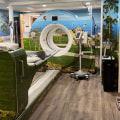
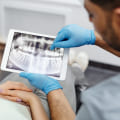
Medical imaging encompasses various technologies such as X-rays, MRIs, CT scans, and ultrasounds. These tools provide detailed images of the body's internal structures, helping healthcare professionals diagnose conditions and monitor progress. In rehabilitation settings, these images are crucial for tailoring treatment plans to the specific needs of each patient.
Q: How does medical imaging benefit rehabilitation patients?
A: Medical imaging helps in accurately diagnosing conditions, planning personalized treatment plans, and monitoring recovery progress, ensuring effective rehabilitation outcomes.
Benefits of Medical Imaging for Rehabilitation Patients
Rehabilitation is a personalized journey, and medical imaging plays a pivotal role in this process. Here are some key benefits:
- Accurate Diagnosis: Imaging aids in identifying the exact nature and extent of injuries or conditions, allowing for precise treatment planning.
- Progress Monitoring: Regular imaging tests help track the healing process, enabling adjustments to therapy as needed.
- Risk Reduction: By providing clear visuals of internal structures, imaging reduces the risk of misdiagnosis and inappropriate treatments.
Integrating Imaging into Rehabilitation Plans
For rehabilitation facilities, integrating medical imaging into patient care plans involves collaboration among various healthcare professionals. Physicians, radiologists, and therapists work together to interpret images and develop comprehensive treatment strategies. This multidisciplinary approach ensures that each aspect of a patient's recovery is considered and optimized.
Local Expertise in Philadelphia
Philadelphia is home to numerous cutting-edge rehabilitation facilities that leverage medical imaging to deliver exceptional care. These facilities utilize state-of-the-art imaging technology to serve diverse patient needs, from sports injuries to post-operative rehabilitation.
Anchor Point, a leading rehabilitation facility in the area, exemplifies this approach. They offer a range of services designed to support patients on their journey to recovery, incorporating medical imaging as a fundamental component of their treatment protocols.
Choosing the Right Rehabilitation Facility
When seeking rehabilitation services, it's crucial to choose a facility that emphasizes the use of medical imaging in its care plans. Consider the following factors:
- Technology: Ensure the facility uses up-to-date imaging equipment and techniques.
- Expertise: Look for a team of experienced professionals skilled in interpreting imaging results.
- Comprehensive Care: Opt for facilities that offer a holistic approach, integrating imaging with other therapeutic modalities.
Conclusion and Next Steps
Medical imaging is an indispensable tool in rehabilitation, offering clear benefits for both patients and healthcare providers. By choosing a facility that integrates advanced imaging technologies, such as Anchor Point in Philadelphia, patients can enhance their recovery journey and achieve better health outcomes.
If you're in need of rehabilitation services or would like more information about how medical imaging can benefit your recovery, consider reaching out to Anchor Point. Their team is ready to provide the support and expertise you need to get back on your feet.