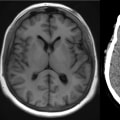
Medical imaging is often viewed as a diagnostic tool used to help physicians identify injuries, abnormalities, or disease. However, its role in modern healthcare extends beyond producing images and confirming a diagnosis. Imaging can contribute to a more complete patient experience by helping healthcare professionals understand a person’s condition, monitor changes over time, and make informed decisions about treatment. X-rays, ultrasounds, CT scans, and MRI examinations can provide valuable information that supports physicians throughout different stages of care. By delivering detailed insight into what may be happening inside the body, medical imaging can help reduce uncertainty and give patients a clearer path forward after concerning symptoms arise.
Guiding Personalized Treatment
Once a diagnosis or potential concern has been identified, imaging can play an important role in determining the most appropriate next steps. Physicians may use imaging results to evaluate the severity of a condition, determine whether additional testing is needed, or monitor how a patient responds to treatment. This information can help healthcare providers make decisions based on the individual rather than relying solely on general assumptions. For patients, having access to timely and accurate imaging can also provide reassurance when results confirm that a suspected problem is not present. When abnormalities are detected, imaging can help establish a clearer treatment strategy and provide a reference point for future evaluations.
Recognizing the Patient's Emotional Needs
The experience of undergoing medical imaging can also have an emotional dimension. Waiting for results, dealing with unfamiliar medical terminology, or worrying about what a scan may reveal can create considerable stress. Healthcare professionals can support patients by explaining procedures clearly, answering questions, and creating an environment where concerns are taken seriously. Emotional support becomes especially valuable when imaging is part of an extended diagnostic process or when patients are coping with a significant medical condition. In appropriate circumstances, broader healthcare networks may also connect individuals with psychological resources such as Cabot Psychological Services, allowing emotional well-being to become part of a more comprehensive approach to patient care.
Strengthening Continuity of Care
Medical imaging can contribute to continuity by creating objective information that multiple healthcare professionals can use when evaluating a patient. When patients move between primary care providers, specialists, surgeons, rehabilitation professionals, or other members of a healthcare team, imaging findings can help establish a shared understanding of their condition. This can reduce unnecessary repetition and allow providers to build on previous evaluations. Imaging can also be particularly useful for long-term monitoring, giving physicians the ability to compare current findings with earlier studies and identify meaningful changes. Effective coordination ensures that imaging results become part of an ongoing care strategy rather than an isolated event.
Supporting the Whole Patient Experience
Ultimately, the broader role of medical imaging is connected to how healthcare providers use information to support patients throughout their medical journeys. A scan alone does not provide complete care; its value comes from how the resulting information is interpreted, communicated, and incorporated into treatment. Combining diagnostic technology with compassionate communication, coordinated referrals, and attention to emotional well-being can create a more patient-centered experience. When medical professionals look beyond the immediate diagnosis and consider the person behind the images, imaging becomes one component of a larger healthcare approach. This perspective can help patients feel informed, supported, and involved in decisions while giving providers the information they need to deliver thoughtful and coordinated care.